
Infusing Olive Oil with Rosemary and Lemon Zest
A Pairing Worth Keeping Close
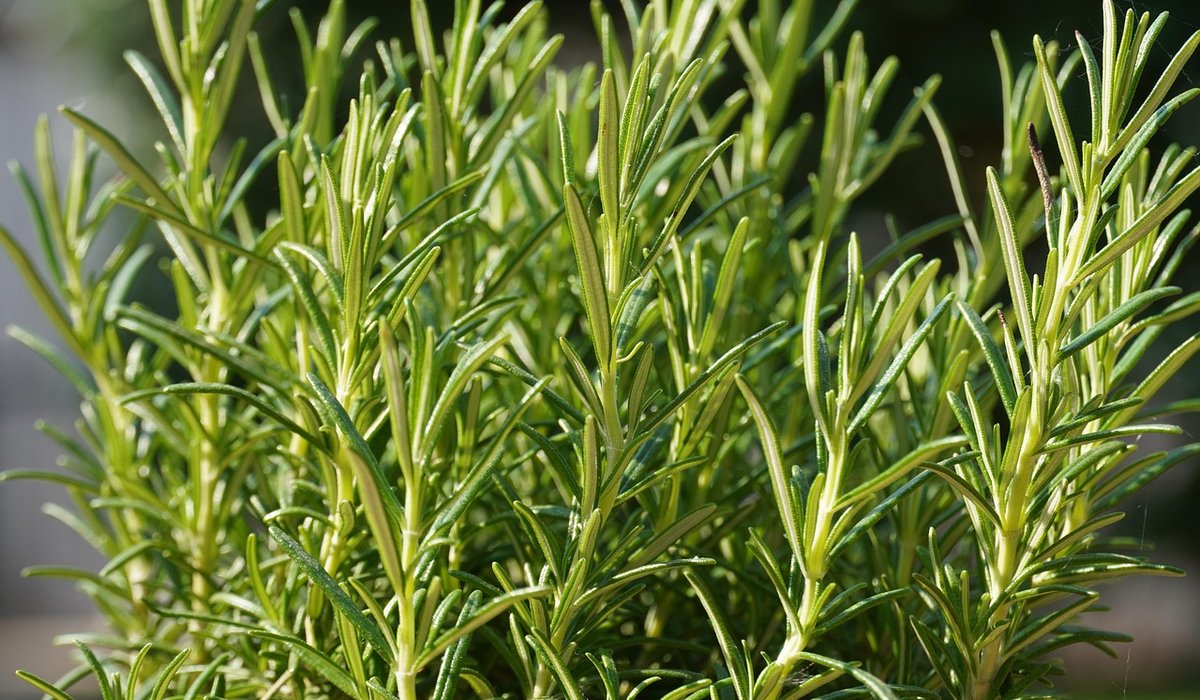
Rosemary and lemon zest are the Mediterranean’s answer to a warm welcome. The piney, resinous notes of rosemary soften when they meet the bright, floral oils of citrus peel, and olive oil carries both with a fruity richness that makes everything it touches taste a little more sunlit. This is not a complicated preserve. It is a finishing oil — a fragrant drizzle for roasted root vegetables, a swirl through a bowl of white bean soup, a brushed crust on focaccia, a spoonful over grilled courgette or fish. Once you have a bottle in the cupboard, you will reach for it constantly. But because we are infusing oil with fresh plant material, a little care goes a long way. The rewards are quick, the risks are manageable, and the technique is deeply satisfying.
Choosing Oil, Rosemary and Lemon
Start with an olive oil you enjoy raw. You do not need the most expensive bottle, but you do want something fresh, peppery and unfiltered enough to taste of olives rather than neutral grease. A good everyday extra virgin olive oil works beautifully. For the rosemary, fresh sprigs are traditional, but they carry moisture — and moisture is the enemy of long-keeping infused oils. If you plan to use the oil within a few days, fresh is lovely. For anything longer, dried rosemary is safer. Dried rosemary has a more concentrated, slightly hay-like flavour, so use about half the volume. Lemon zest should come from unwaxed fruit, scrubbed and dried. Use a sharp peeler or microplane to take only the yellow zest, leaving the white pith behind, as it turns bitter. Two lemons will give you enough zest for a 250ml bottle.
Two Routes to a Fragrant Oil
There are two reliable ways to infuse. The first is gentle warmth, which speeds up the process and pasteurises the oil slightly. Combine 250ml olive oil, three fresh rosemary sprigs (or one tablespoon dried) and the zest of two lemons in a small saucepan. Warm over the lowest heat until the oil is just barely hot — around 70°C, or when a tiny bubble or two rises from the rosemary. Do not let it fry. Hold it there for 20 minutes, then remove from the heat and let it cool completely. Strain through a fine sieve lined with muslin or kitchen paper into a clean, dry bottle. The second method is cold infusion. Put the same ingredients into a sterilised jar, seal, and leave in a cool, dark cupboard for one to two weeks, shaking daily. Strain and bottle. Cold infusion gives a brighter, more delicate flavour, but it carries a higher spoilage risk because the fresh ingredients sit in oil at room temperature for days.
Keeping It Safe: Storage and Spoilage
This is the part that matters most. Oil is anaerobic — it contains no oxygen — and fresh herbs and citrus zest can carry spores of Clostridium botulinum, the bacterium that causes botulism. In an oil environment, those spores can germinate and produce toxins without any visible signs. The risk is small but real, and it is entirely avoidable with a few sensible habits.
- Refrigerate immediately. Any oil made with fresh rosemary or fresh lemon zest should go straight into the fridge. Cold temperatures slow spore germination dramatically.
- Use within four days. If you have used fresh ingredients and cold infusion, treat the oil as a fresh product. Four days in the fridge is a safe window. Gentle heat infusion extends this slightly, but still aim to use it within a week.
- For longer storage, use dried ingredients. Dried rosemary and oven-dried lemon zest (zest spread on a baking tray at 60°C for 30 minutes, then cooled) contain far less moisture. An oil made with these can keep in the fridge for up to a month.
- Sterilise your bottles and jars. Wash in hot soapy water, rinse, then dry in a low oven or run through a hot dishwasher cycle. Let them cool before filling.
- Watch for signs of spoilage. Discard the oil if it becomes cloudy, smells musty or rancid, tastes fizzy, or shows any bubbles. When in doubt, throw it out — the cost of a fresh batch is trivial compared with the risk.
- Freeze for longer keeping. Pour the strained oil into ice cube trays, freeze, then transfer the cubes to a freezer bag. They will keep for six months and melt beautifully into hot soups and roasted vegetables.
Drizzling, Dipping and Dressing
This oil is a finisher, not a frying medium. Heat will dull its perfume. Use it to dress warm potatoes with a squeeze of lemon, to finish a bowl of tomato and bread soup, to brush over flatbreads before they go into the oven, or to drizzle over burrata with cracked black pepper. It is excellent spooned over roasted red peppers, grilled aubergine, or steamed green beans. A few drops on a plate of sliced tomatoes with flaky salt transforms a simple lunch. You can also use the strained rosemary and zest — spread the solids onto baking parchment, dry them in a low oven, and blitz with sea salt for a fragrant finishing salt. The oil itself will last longest in a small bottle with a tight stopper, kept in the fridge door. Bring it to room temperature for a few minutes before using, and give it a gentle shake, as natural separation is normal. Make small batches, label them with the date, and enjoy the ritual of keeping a little Mediterranean sunshine on your kitchen shelf.

4 Comments