
A Beginner's Guide to Mediterranean Mezze at Home
What Mezze Really Means
Mezze is less a recipe than a way of eating. Instead of a main course with side dishes, you put a handful of small plates in the middle of the table and everyone helps themselves, tearing bread and dipping as they go. In Greece, Turkey, Lebanon and across the Levant it is built from whatever is good that week, which makes it ideal for a British kitchen: you are assembling, not cooking a feast.
The equipment list is short. A griddle pan, a food processor or stick blender, a baking tray and a decent knife will get you there. The flavour comes from contrast — something creamy, something sharp, something charred, something fresh — plus good olive oil and plenty of bread. Aim for four to six plates for two people, more if you are feeding a crowd.
Anchoring the Spread with Two Dips
Whipped feta takes about three minutes and tastes far more impressive than the effort involved. Take 200g of block feta in brine (the crumbly salad-cheese type stays grainy), break it up, and blitz it with 3 tablespoons of Greek yoghurt, 2 tablespoons of olive oil and a good grind of black pepper. Add cold water a tablespoon at a time until it turns glossy and spoonable. Spread it across a shallow bowl, drizzle with honey and scatter with toasted sesame or dried oregano.
Hummus improves dramatically if you blend the tahini and lemon juice first, before the chickpeas go in. Combine 3 tablespoons of tahini with the juice of a lemon in the processor — it will seize into a stiff paste, then loosen as you add 3 or 4 tablespoons of ice-cold water. Only then add a drained 400g tin of chickpeas, half a teaspoon of fine salt and a small garlic clove. Blitz for a full two minutes for a genuinely smooth result, and finish with olive oil and a pinch of cumin or paprika.
Vegetables: Let the Griddle Do the Work
Charred vegetables are the heart of a mezze table and need almost nothing doing to them. Cut aubergines and courgettes into 1cm slices, halve peppers and quarter red onions, then brush everything lightly with oil. Get a griddle pan properly hot — you want a faint haze, not smoke pouring off it — and cook in a single layer, turning once, until the edges blacken. Salt them after cooking, or they will weep and steam rather than char.
For a slightly different plate, roast a tray of cherry tomatoes with whole garlic cloves and thyme at 200°C for 25 minutes until they collapse, then spoon over yoghurt. Add a squeeze of lemon and a scatter of parsley to cut through the oil.
- Aubergine, courgette, pepper and red onion all work well on the griddle.
- Griddle in batches and keep finished slices on a plate — they are just as good warm or at room temperature.
- Finish with lemon juice, chopped flat-leaf parsley and a drizzle of your best olive oil, not the cooking stuff.
The Supporting Acts: Bread, Pickles and a Sharp Salad
A mezze table needs one sharp, crunchy element to balance the oils. Chop ripe tomatoes, cucumber, a little red onion and a handful of parsley, then dress with olive oil, lemon juice and a pinch of dried oregano. Do not add salt until the moment you serve, or the salad turns watery.
The rest of the table can come straight from the cupboard and the fridge, which is exactly the point of mezze:
- Warm flatbreads or a split pitta, brushed with oil and briefly blasted in a hot oven.
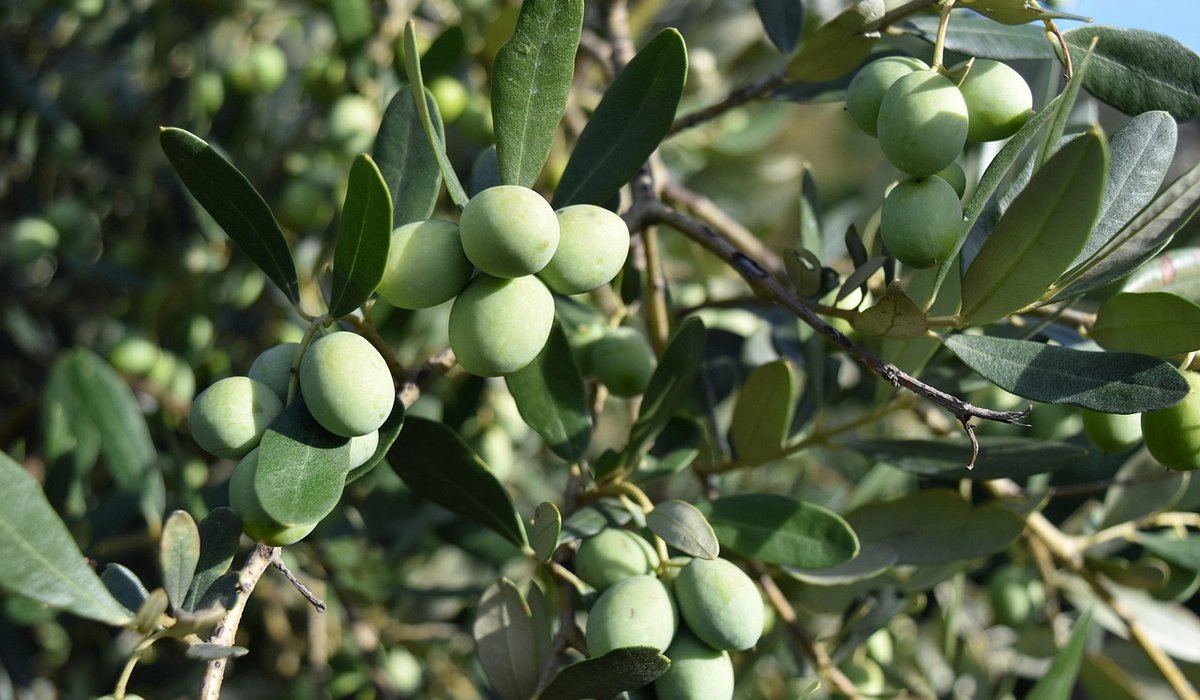
- Good olives, drained and dressed with orange zest and a few fennel seeds.
- Quick-pickled red onion: slice thinly, cover with the juice of a lemon and a pinch of salt, and leave for 20 minutes.
- Marinated jarred peppers or artichoke hearts, lifted with chopped garlic and parsley.
- A crumbling of feta or a spoonful of labneh with mint.
Growing Your Own Mezze
Most of the herbs and salads that make this food sing are easy on a British windowsill or a small patio. Mint is the workhorse — put it in its own pot, as it will otherwise take over everything — and pick it regularly to keep it bushy. Flat-leaf parsley is slower from seed but happy in a pot in partial shade, and thyme and oregano are tough enough to sit outside all year in a sheltered spot.
Tomatoes are worth a grow bag against a south-facing wall; choose a small cherry variety and you will get a long, steady crop rather than one glutsome week. Radishes and spring onions grow quickly in a window box, and a few cut-and-come-again salad leaves sown in a tray will keep you in greenery from spring to autumn. Coriander, on the other hand, bolts the moment it gets hot — sow it in late summer for the best results.
Putting It All Together
Start with the dips, because they keep happily in the fridge for a couple of days and taste better after an hour. Griddle the vegetables next and leave them at room temperature. Make the salad and the pickles last, so nothing goes limp.
Then take everything to the table at once — no courses, no keeping things warm. Pile the bread in the middle, put out small bowls and plenty of napkins, and let people reach across each other. That informal, generous quality is the whole point. Once you have made it a few times, you will stop measuring and start cooking by instinct, which is exactly how it is done around the Mediterranean.

4 Comments